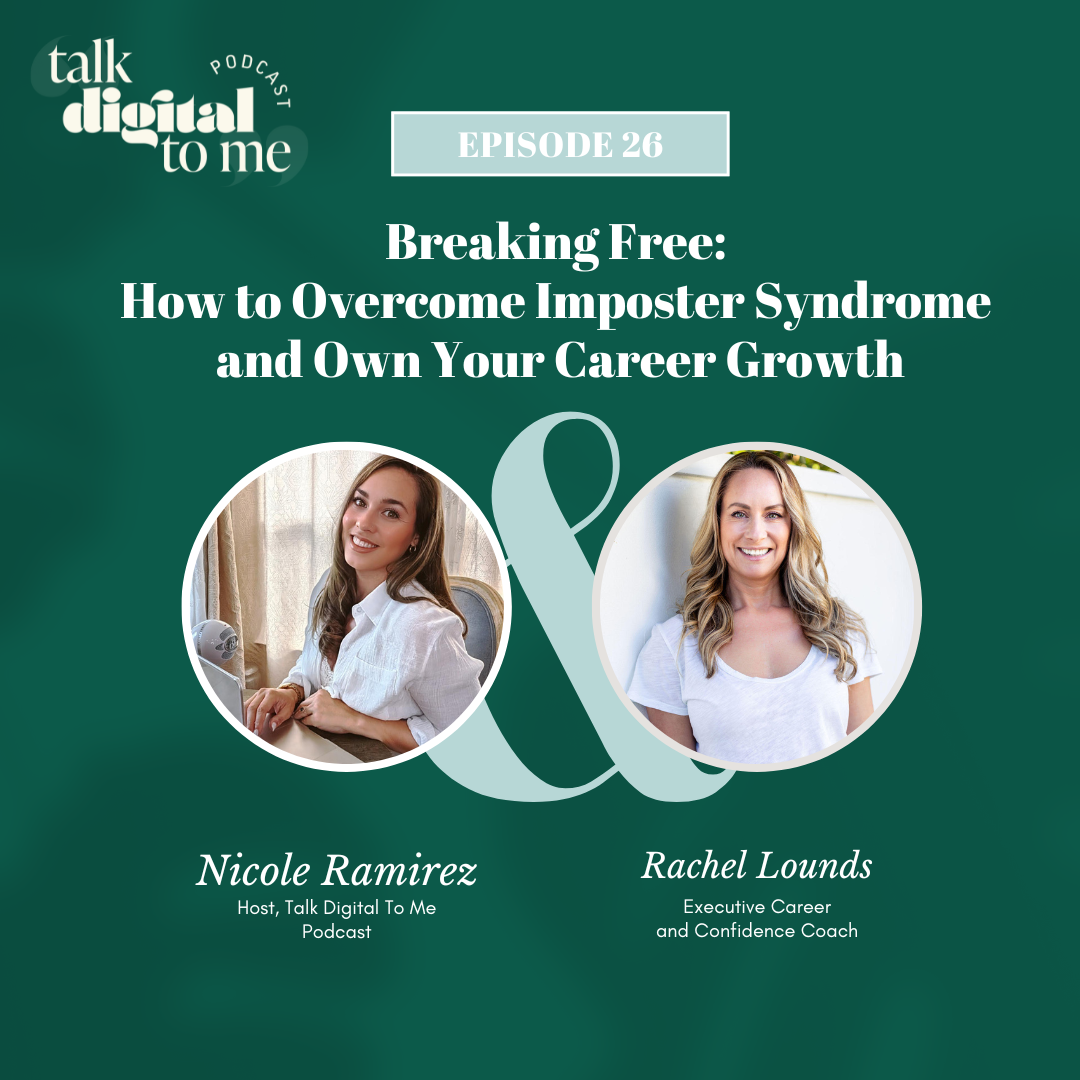
Listen to the podcast:
Below are key insights and actionable takeaways from our conversation.
Key Takeaways
What Imposter Syndrome Actually Is
It’s not just insecurity—it’s a disconnect between how others see you and how you see yourself.
-
High achievers often chalk their success up to luck or timing.
-
Imposter syndrome doesn’t happen 24/7—it’s triggered in moments of stress, change, or visibility.
-
It’s common in Type A personalities who tie self-worth to performance.
“You’re not a fake—you might just have a skills gap. And that’s something you can fix.”
The Cost of Staying Silent
Imposter syndrome isn’t just annoying—it’s expensive.
-
It holds people back from promotions, raises, and speaking up.
-
Many professionals fly under the radar to avoid being “found out.”
-
The consequences? Burnout, stagnation, and missed opportunities.
“Your results don’t speak for themselves. You have to speak for them.”
The Role of Upbringing and Culture
It’s not just about mindset—it’s about your environment.
-
Early messages from childhood often shape how you see your abilities.
-
Creative and high-pressure industries (like advertising) amplify self-doubt.
-
Your internal beliefs + external environment = the perfect storm for imposter syndrome.
“We’re all raised by humans. And those messages stick with us longer than we think.”
Confidence is a Skill—Not a Trait
You don’t wait to feel confident—you build it through action.
-
Confidence grows from small wins, not big leaps.
-
Rachel’s Brave Mind framework: Belief, Reflect, Action, Visualize, Excellence
-
Example: She overcame her fear of public speaking by joining Toastmasters—one minute at a time.
“You can’t get confident without doing the thing. Action builds evidence.”
It’s Not Bragging—It’s Branding
If your work matters, it deserves to be seen.
-
Women in particular struggle with sharing wins for fear of “bragging.”
-
Start by sharing accomplishments in a safe space—trusted friends or a private group.
-
Then, bring those wins into one-on-ones with managers to stay top-of-mind for promotions.
“It’s not bragging if it’s based on facts.”
Same Devil, Different Level
Imposter syndrome doesn’t vanish—it just changes shape.
-
As you grow in your career, new triggers emerge.
-
Recognizing the pattern helps you manage it faster.
-
Think of it like this: “Oh hey, imposter syndrome—new costume, same trick.”
“Everyone loses when bright people play small.”
Quotes from Rachel
On Career Growth:
“Promotions don’t happen at the end-of-year review. They happen when you build your profile throughout the year.”
On Confidence:
“Confidence isn’t something you’re born with—it’s something you earn through action.”
On Visibility:
“We need to stop apologizing for our success. No more ‘justs.’ You didn’t just do that. You did that.”
Looking Ahead
Rachel’s top 3 takeaways to shift from self-doubt to self-worth:
-
Know that imposter syndrome is common—you are not alone.
-
Speak up for your accomplishments—facts aren’t bragging.
-
Confidence is built, not born. Start with one small action today.
Imposter syndrome doesn’t get to run your career—you do. A huge thank you to Rachel for sharing her insights and empowering so many of us to own our brilliance.
📲 Connect with Rachel on LinkedIn: https://www.linkedin.com/in/rachel-lounds/
🌐 Visit her website: www.rachellounds.com.au
🧠 Want more conversations on digital strategy + personal growth?
Subscribe to Talk Digital to Me—new episodes drop monthly.